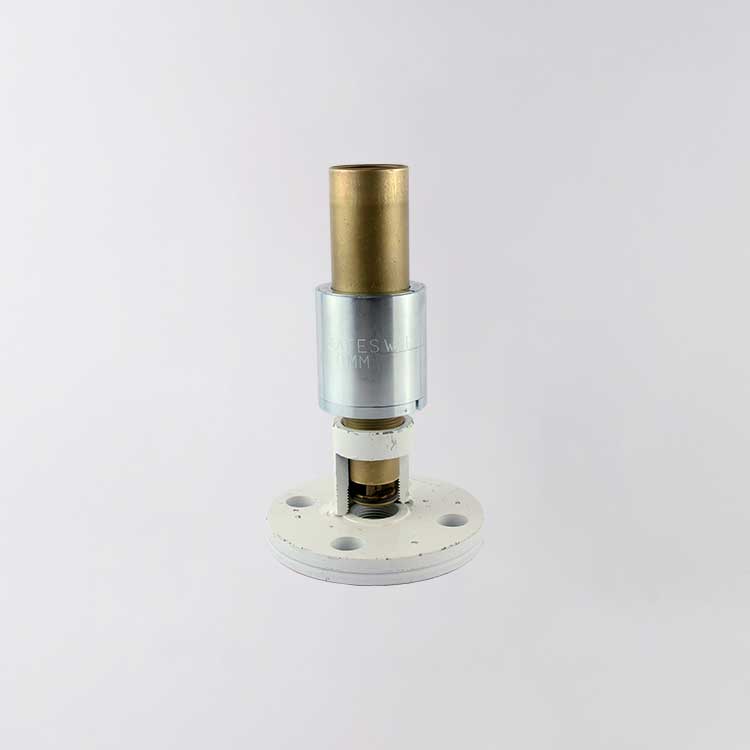
Replacing a pressure relief valve should not be a dangerous task. After all, most tanks are fitted with isolation devices to make sure that no gas escapes. Even if the isolation device is faulty, the valve should let you know in good time, right? Unfortunately, that’s far from the case every time. Accidents still happen, often with dangerous consequences. The SafeSwap is your insurance policy against these accidents.
It doesn't always go according to plan
In an optimal scenario, you would unscrew the valve from the isolation device until you can see the valve’s vent hole (also known as a bleed hole). If the vent hole is visible and no gas is escaping, that means the isolation device has successfully sealed off the tank, and the valve can be safely removed. There is a risk, however, of unscrewing the valve a little too far – especially in underground tanks where the bleed hole is almost impossible to see.
If this happens, and isolation device has not properly stopped the flow of gas, the force of the flow can violently eject the valve, at which point the damage is done. Gas will be flowing out with too great force to replace the valve, causing a serious explosion hazard, and the operator may suffer a life-threatening injury from being hit by the ejected valve.
If you like it, put a ring on it
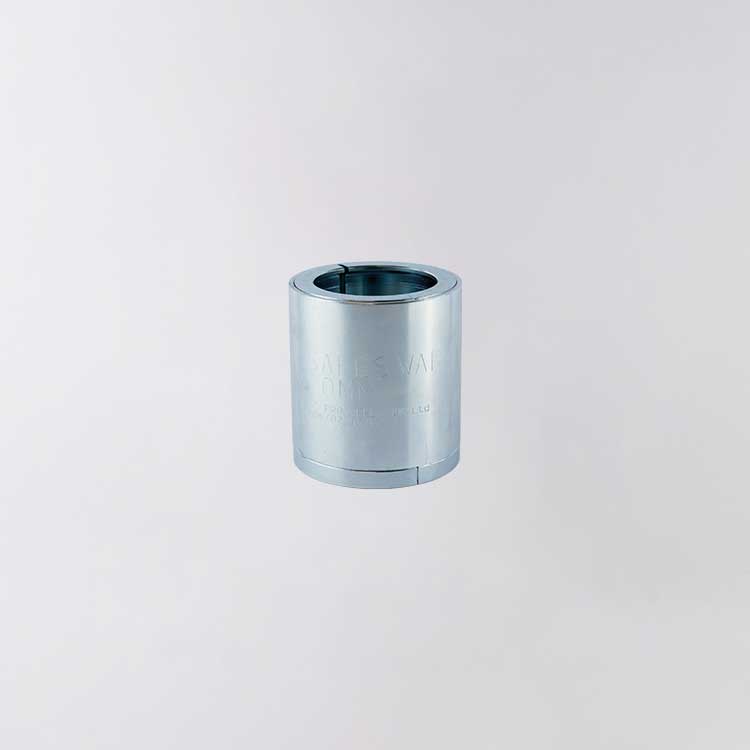
By fitting the SafeSwap’s split collar and sleeve over the valve and isolation device, you prevent the valve from being unscrewed past the point of no return, eliminating the risk of catastrophe. When you unscrew the relief valve, the SafeSwap makes sure to block it at exactly the right time (when the vent hole is visible), at which point the valve can be safely exchanged.
The SafeSwap tool is available for all commonly used valve types. However, each individual tool only fits one type of valve – there is no “one size fits all”. An engraving on the side of the of the tool clearly indicates which valve it will fit. If the wrong SafeSwap is used, or the valve is in the wrong isolation device, it will not have any safety-enhancing effect.
Before you use the SafeSwap, we recommend that you loosen the relief valve using our relief valve cracking tool.
- Ensures no accidental leaks during valve exchange
- Especially helpful in underground tanks with poor visibility
- Simple design, easy to use
- Available for all commonly used valve types
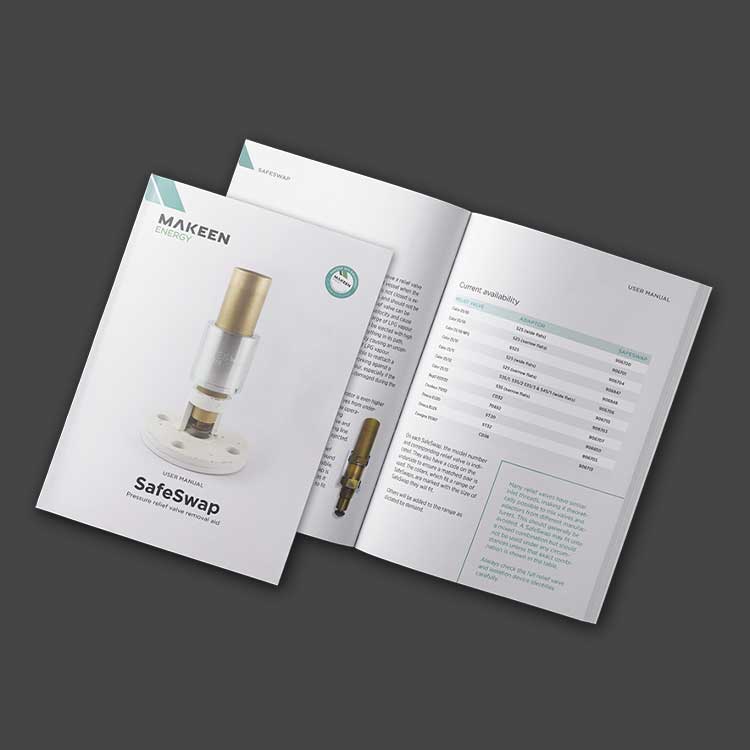
Instruction manual
Download our instruction manual for detailed instructions
about how to perform a valve exchange with the SafeSwap.
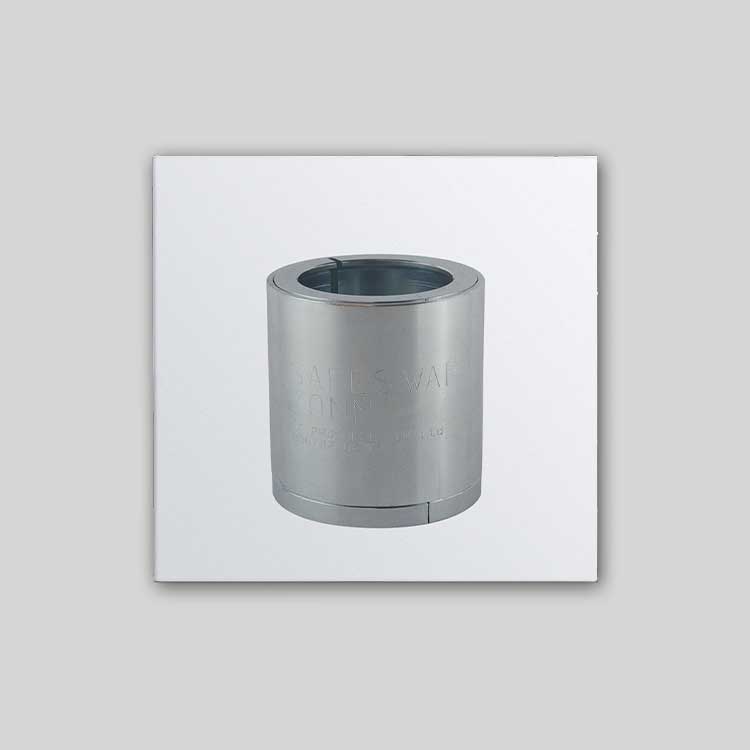
Product sheet
In our product sheet, you can find an overview of the different sizes and variations of valve and isolation device combinations that the SafeSwap is available for.