Ammonia, or NH3, is not a new discovery. It is a staple in many industries already and has been key in farming for decades. What is new is the rising interest in NH3 as part of the energy landscape for the future. In 2025, more customers were seeking knowledge on equipment for ammonia handling, storage, and transfer. The market sees a shift coming driven by shipping, Power-to-X investments, and the global search for alternative energy solutions.
What is NH3?
NH3, often referred to as anhydrous ammonia, is a compound made from nitrogen and hydrogen. It is a colourless gas or liquid and has a strong smell. Farmers have used it for many years as a practical way to add nitrogen to soil, so its industrial use is far from new.
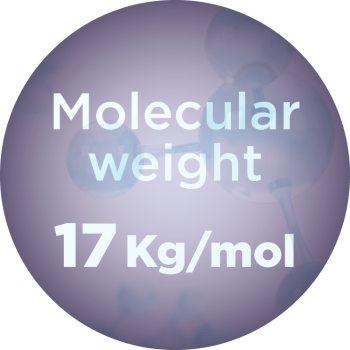
Its potential as energy source and “hydrogen carrier” is where things begin to change. NH3 contains no carbon, which means it can release energy without producing CO2 or particle pollution. As more countries look for alternative and renewable energy solutions, NH3 is becoming an interesting candidate, especially due to its opportunities for easy storing and moving across long distances. NH3 contains about 17.6% hydrogen and unlike pure hydrogen, which requires extremely low temperatures or high pressures to maintain its liquid form, NH3 can be liquefied under less demanding conditions.

Future as ship fuel
The shipping industry is where we have seen the biggest rise of interest in ammonia. Several engine makers are already developing ship engines that run on ammonia, and major shipping companies have taken notice. Some of the largest players have invested in new vessels designed for NH3, which signals a strong belief in its long-term potential.
The reason for this attention is largely because NH3 burns more slowly than many conventional gases, but it can still work well in larger engines, including those used in larger vessels. Recent trials also suggest that ammonia can deliver promising performance in gas turbines.


A need for regulatory framework
In an industry where safety is vital, regulation plays a decisive role in how quickly NH3 can move into becoming a mainstream fuel. Today, there are still grey areas in the rulebook, and that uncertainty can slow decisions. Clear, consistent guidance helps companies invest with confidence in vessels, port infrastructure, and the wider supply chain.
Given the nature of NH3, authorities also need to set high standards for storage, transport, and bunkering, and make sure everyone follows them. NH3 calls for careful handling, and the legal framework should back that up with practical requirements and strong international alignment.
When rules line up across borders, shipping companies, ports, and technology providers can plan to the same playbook. That creates a more stable foundation for development, collaboration, and the next wave of solutions.


And with these new vessels, the supply chain around them must follow. Ports will need storage facilities, bunkering systems, and maintenance support. Manufacturers will need to supply equipment approved for NH3, and service providers will need trained teams who can work with it safely. Because ammonia behaves differently from other fuels, the right components matter. A leak would be critical, so equipment must be approved for NH3 and built to a high standard. It may cost more, but it is necessary, because handling NH3 demands respect as much as expertise.
New companies will emerge to meet needs the current infrastructure simply cannot handle. In short, as the maritime sector moves, the rest of the market will move with it.
Powering the future
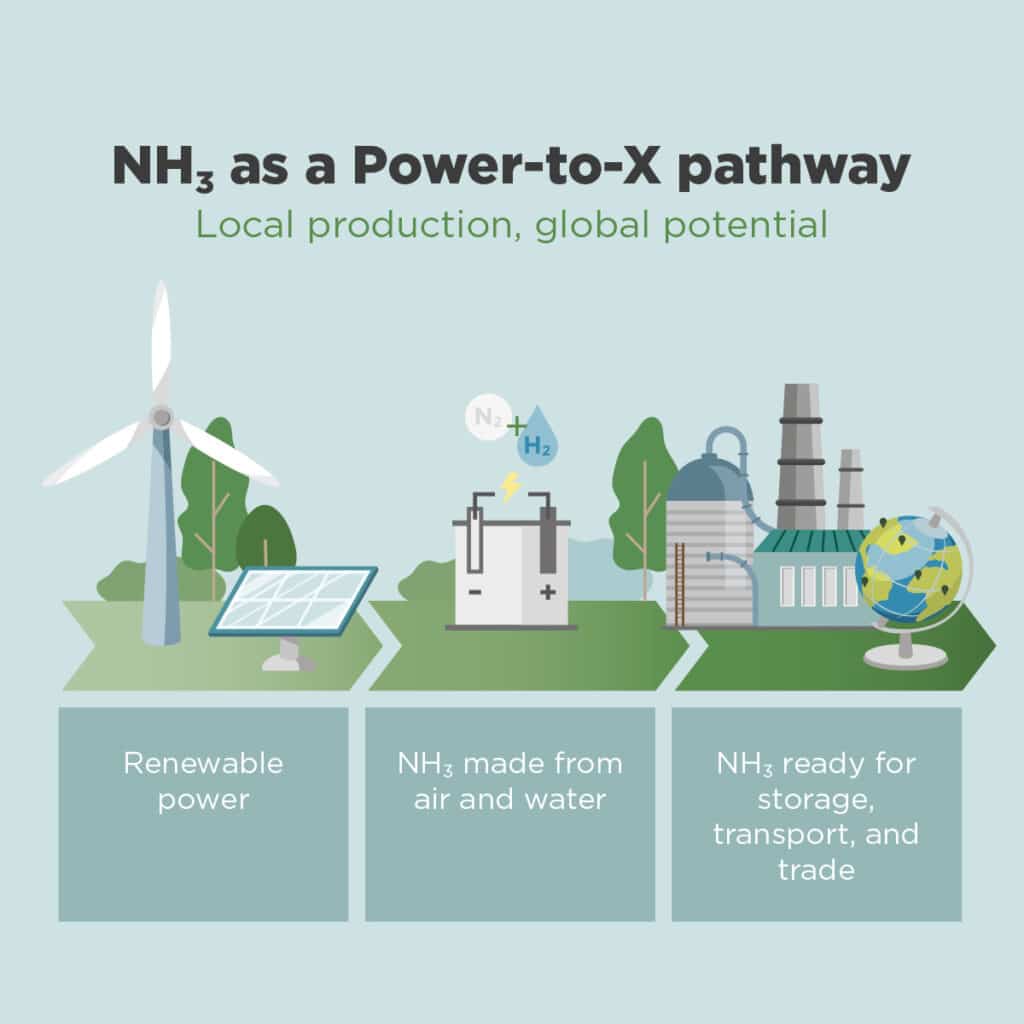
Power-to-X is still very much on the agenda. And this is where NH3 can step in and play a meaningful role. If we use surplus renewable electricity to run systems that pull nitrogen from the air and hydrogen from water, we can produce NH3 locally. That gives us a way to store renewable power in a stable, transportable form, using supply chains and trade routes the world already knows.
Where the market goes next depends on several moving parts. Policies, taxes, and long-term plans can change quickly. If major ports back NH3 bunkering, demand is likely to follow. If attention swings to another energy carrier, priorities can shift just as fast. Clear international alignment on the role of NH3 will also matter, because without it, many companies will hesitate to commit.
Even so, momentum keeps building. Many customers we speak with are already looking at Power-to-X pathways, and some are preparing for NH3 to become part of their operations sooner than they once thought.
What we see now is the early shape of a new market. Interest is rising, projects are moving from idea to planning, and the requirements for handling, storage, and transfer are becoming clearer. For companies that want to be ready, the next step is simple: build knowledge, choose the right partners, and start preparing equipment and processes that match the demands of NH3. The pace may vary from port to port and country to country, but the direction is clear. NH3 is no longer a future concept. It is becoming a practical topic, and the organisations that prepare early will find it easier to
act when demand accelerates.
MAKEEN Gas Equipment is ready to support the growing interest in NH3 with the right components, solutions, and specialist knowledge. With our experience in gas equipment, we can help find the right setup for projects.